The entertainment world is constantly abuzz with triumphs and tribulations, and the past week has offered a vivid illustration of this dynamic. From highly anticipated film trailers that divide fan opinions to veteran actors publicly lambasting their roles, and industry institutions making decisions that spark widespread debate, the landscape remains as unpredictable as ever. This overview delves into some of the most prominent recent occurrences, highlighting both the missteps and the commendable efforts that shape Hollywood's narrative.
Among the week's most discussed topics are the contrasting reactions to new cinematic previews and significant industry shifts, particularly surrounding awards ceremonies and the theatrical experience. The 'Avengers: Doomsday' trailer generated considerable discussion, failing to universally captivate its audience despite immense anticipation. Concurrently, veteran actor Ed Harris voiced strong dissatisfaction with his recent television series role, adding to the week's critical dialogues. Meanwhile, the Television Academy faced backlash for its controversial decision to streamline the Emmy telecast, a move that ignited frustration across various industry sectors. On a more positive note, the revival of a beloved cinematic landmark through a new partnership offers a glimmer of hope for the future of movie-going, though it also brings into focus broader discussions about audience preferences and the evolving nature of the cinematic experience.
Mixed Reactions to Major Film Previews
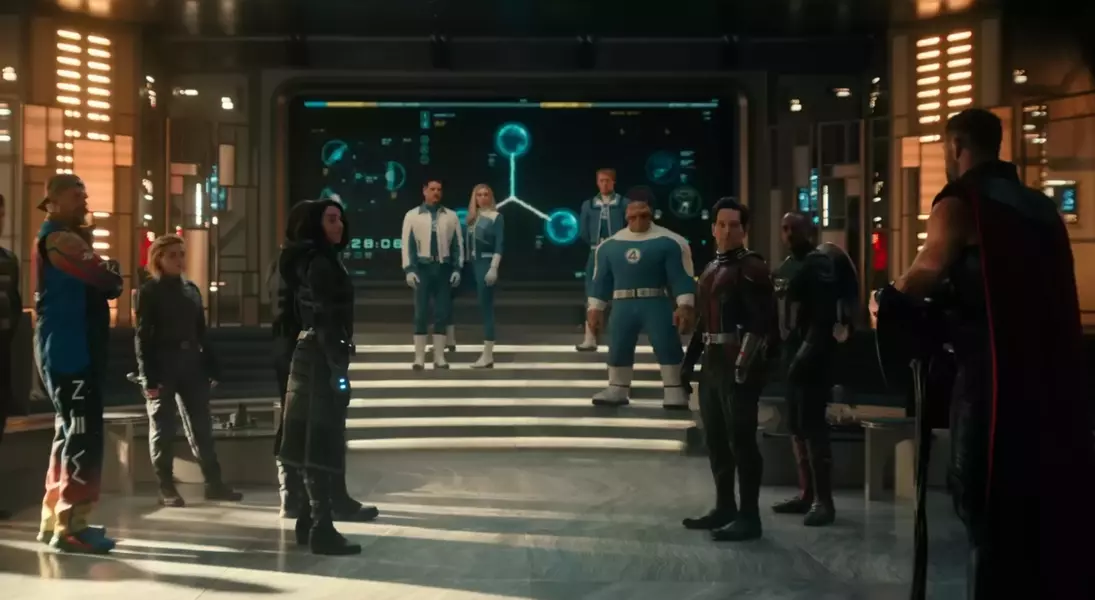
The release of the 'Avengers: Doomsday' teaser has elicited a varied response from the global fan base, with many expressing disappointment. Unlike its predecessors that consistently built excitement, this latest preview appears to have fallen short, featuring scenes that struck viewers as uninspired and visually repetitive. Critical observations online highlighted the overuse of computer-generated imagery and a perceived lack of originality in its presentation. One notable comment likened the visual aesthetic to characters awkwardly navigating a series of circular, indistinct sets, leading to a sense of confusion rather than immersion. This lukewarm reception is particularly noteworthy given Marvel's established track record of crafting compelling and impactful trailers, raising questions about the creative direction of this new installment.
Adding to the film's pre-release challenges, comments from actor Alan Cumming, who reprises his role as Nightcrawler, have stirred further debate. His remarks about performing extensively against green screens and interacting with digitally altered or unnamed co-stars suggest a disconnect from the traditional collaborative acting process, inadvertently fueling criticisms regarding the film's reliance on visual effects. This comes at an inopportune moment for Marvel, as the industry conversation has recently been dominated by acclaimed directors like Christopher Nolan and actors such as Tom Holland advocating for more practical effects and on-location shooting, exemplified by Nolan's recent feature, 'The Odyssey.' Despite these criticisms, the film's robust advance ticket sales indicate that the perceived shortcomings of the trailer may not deter its commercial success. In contrast, other studio previews, notably DC's 'Clayface' and Universal's 'Other Mommy,' have garnered overwhelmingly positive responses, showcasing innovative concepts and effective scare tactics that resonated well with audiences, further highlighting the disparities in trailer effectiveness this week.
Industry Controversies and Theatrical Revivals
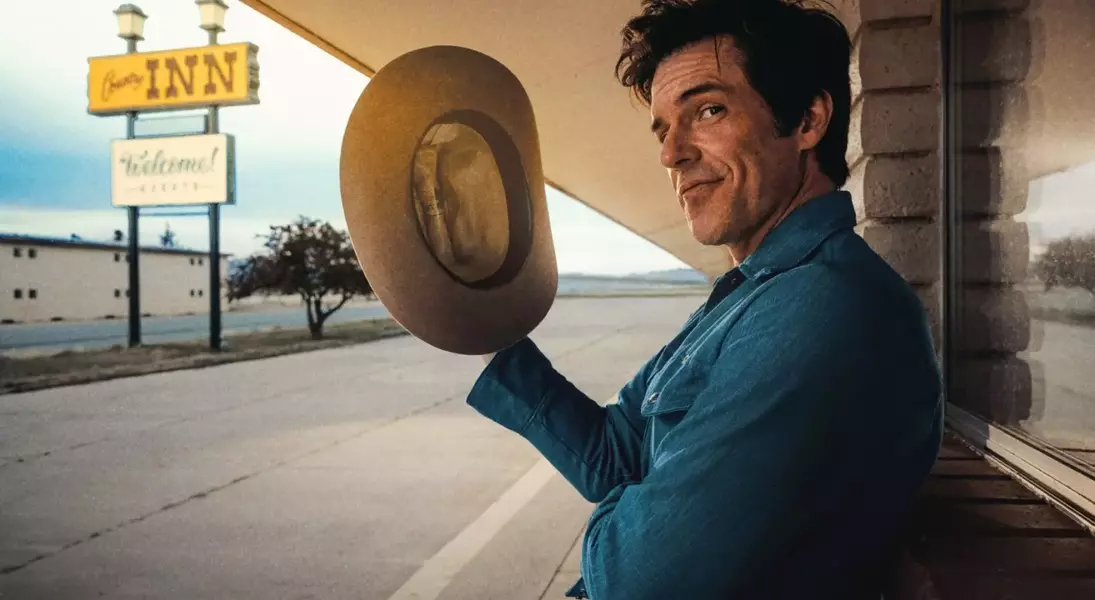
Veteran actor Ed Harris candidly expressed his profound displeasure with his initial arc on the Paramount+ series 'Dutton Ranch,' describing his role as "inconsequential" and revealing a desire to exit the production midway through its first season. His frank comments about feeling "misled" regarding the prominence of his character underscore a persistent issue in the television industry, where actors sometimes find their roles diminishing or differing from initial expectations. This public critique from a respected figure like Harris has inevitably drawn attention to the creative dynamics behind the scenes of high-profile productions, prompting speculation about how showrunner Taylor Sheridan might respond to such direct feedback. While some might anticipate a swift removal of the actor, others suggest that Sheridan, known for his own bluntness, might appreciate the honesty or even address the concerns in future narratives, highlighting the complex relationship between creators and talent.
Meanwhile, the Television Academy faced significant backlash for its decision to cut five categories from the main Emmy telecast, a move widely criticized by unions, nominees, agents, and managers alike. This action, intended to "flex more creativity into the show" and enhance entertainment value, has been largely met with skepticism. Critics argue that such adjustments often lead to awkward, non-sequitur segments that detract from the core purpose of an awards ceremony: celebrating industry achievements. The comparison to a Super Bowl halftime show, which works as a cohesive, star-studded interruption, versus random, ill-fitting inserts during a live game, illustrates the Academy's misjudgment. The consensus suggests that these awards should either be fully integrated into the telecast or completely removed to shorten the show, rather than creating a fragmented and frustrating viewing experience. Amidst these controversies, a positive development emerged with Sony's partnership with Alamo Drafthouse to resurrect the iconic Cinerama Dome. This initiative has been hailed as a significant step in revitalizing the theatrical experience, aligning with a broader industry narrative that celebrates the return of cinema. However, the plan to incorporate in-theater food service into the ArcLight theaters, mirroring Alamo's model, has also sparked debate. While Alamo is celebrated for its unique cinephile-focused atmosphere and strict no-talking/no-texting policies, the distinct, distraction-free "black box" environment of ArcLight was equally cherished. This raises questions about how changes aimed at enhancing one aspect of the movie-going experience might inadvertently dilute another, underscoring the delicate balance required to satisfy diverse audience preferences.