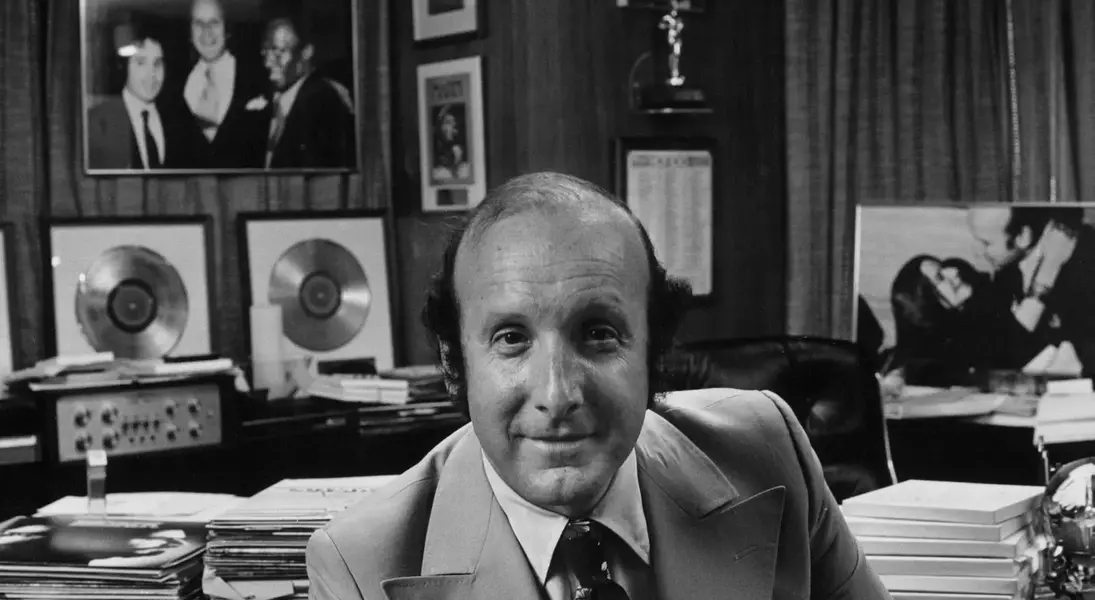
The music world recently converged in New York to honor the life and profound impact of Clive Davis, a towering figure in the entertainment industry. Friends, family, and a constellation of stars gathered at Central Synagogue on June 29th for his funeral. This memorial, surprisingly concise at 90 minutes, stood in stark contrast to Davis's famously lengthy annual pre-Grammy galas, which were often recounted with affectionate humor by attendees like songwriter Diane Warren.
Davis's funeral drew an impressive array of luminaries from across the entertainment spectrum. Among those present were his children, Fred, Doug, Mitch, and Lauren, along with music legends such as Bruce Springsteen, Barry Manilow, Usher, Dionne Warwick, Alicia Keys, and Stevie Wonder. Leading figures from major talent agencies, actor Adrien Brody, and even former Speaker of the House Nancy Pelosi were in attendance, highlighting the breadth of Davis's influence. Performances by Kenny G, Jennifer Hudson, and Rabbi Angela Buchdahl, who delivered a poignant rendition of “Somewhere Over the Rainbow,” underscored the event's emotional depth and the high regard in which Davis was held.
For over five decades, Clive Davis was a name synonymous with musical innovation and success. Label executive Barry Weiss lauded him as a “national treasure” and “American hero,” emphasizing his unparalleled ability to transcend the music industry's boundaries in public recognition. Motown founder Berry Gordy echoed this sentiment, describing Davis as a “treasured friend” and “truly one of a kind,” praising his unique foresight in recognizing talent. From signing Janis Joplin and Santana in the 1960s to fostering the careers of Whitney Houston, Dionne Warwick, and Kelly Clarkson, Davis's golden ear shaped the sound of popular music for generations. Producer Jimmy Jam, who worked on many records under Davis's leadership at Arista and J Records, affirmed his reputation as “music's best friend,” noting the enduring impact of his work.
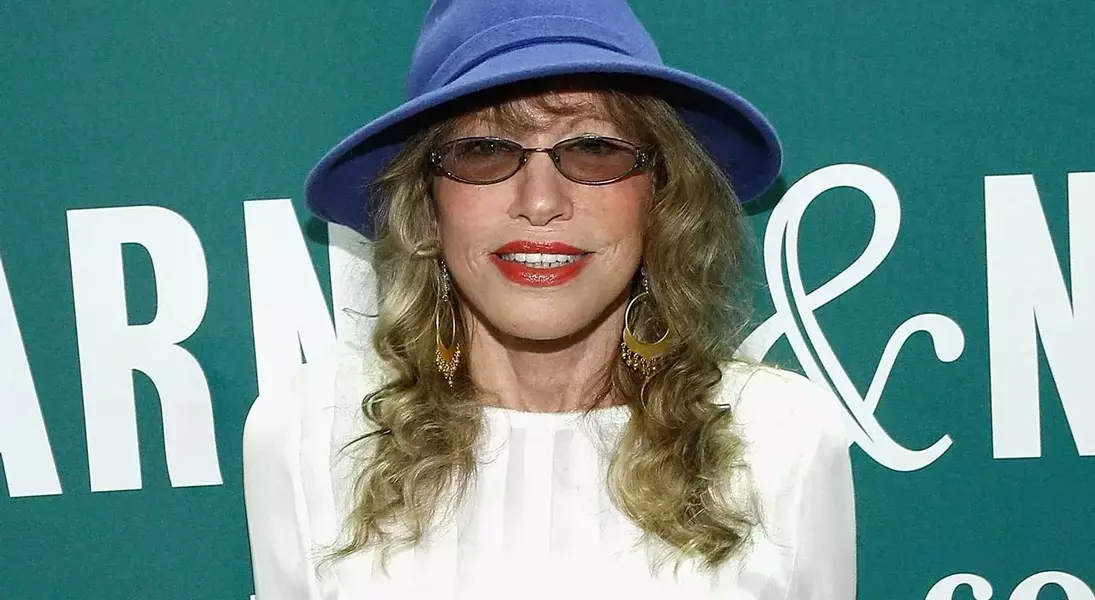
Davis's genius lay in his uncanny ability to match artists with hit songs, a skill attested to by numerous collaborators. Rod Stewart recalled Davis's unwavering belief in his American standards album, a project rejected by many in the industry, which went on to become a major success. Songwriters like Carole Bayer Sager and Diane Warren described Davis's intuitive connection to music, often seeing tears in his eyes when a song deeply resonated. His mentorship extended to future industry leaders like Larry Jackson, whom he regularly met to discuss market trends and new talent, demonstrating an insatiable curiosity and a desire to remain current. Even in his final months, Davis maintained a vigorous engagement with life and music, attending concerts and hosting gatherings, a testament to a life lived passionately and fully dedicated to the art form he so profoundly loved. His enduring legacy is a powerful reminder of the transformative power of vision, dedication, and an unyielding commitment to excellence in the pursuit of artistic greatness.