A recent Wall Street Journal investigation reveals alleged presidential influence in a significant antitrust proceeding. The article explores how former President Donald Trump reportedly directed the Department of Justice to reach a settlement with Live Nation following a private meeting with the company's CEO, Michael Rapino. This alleged intervention occurred shortly before the company's federal antitrust trial commenced, raising questions about the fairness and integrity of the settlement process.
Details Unfold: Trump's Alleged Role in Live Nation Antitrust Settlement
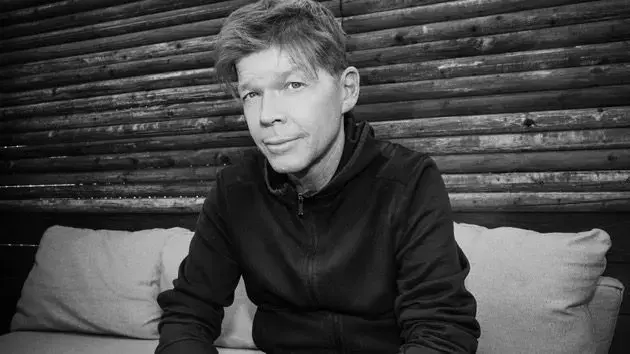
In August 2026, a compelling report by The Wall Street Journal shed light on a pivotal moment preceding the Department of Justice's (DOJ) antitrust settlement with Live Nation. It is alleged that in late February of the same year, then-President Donald Trump met with Live Nation CEO Michael Rapino in the esteemed Oval Office. According to the report, this meeting, initially centered on the President's vision for the Kennedy Center's operations, took an unexpected turn. President Trump reportedly inquired why Live Nation had not yet settled its antitrust case with the DOJ, subsequently instructing the department to finalize a deal. Just one week into Live Nation's federal antitrust trial, in early March, a surprise settlement was indeed reached. This occurred despite initial reluctance from some co-plaintiff states, many of whom continued their legal pursuit. Ultimately, a jury determined in April that Live Nation had engaged in monopolistic practices.
The Wall Street Journal previously detailed a White House meeting on March 5, attended by Rapino, his legal counsel, and DOJ officials, which was believed to be instrumental in the settlement. However, the more recent revelation of an earlier, more direct encounter between President Trump and Rapino adds another layer to this complex narrative. Live Nation's executive vice president for corporate and regulatory affairs, Dan Wall, defended the company's proactive approach, stating that they sought higher-level intervention only after repeated unsuccessful attempts to engage with the Antitrust Division for six months.
Live Nation's lobbying efforts extended beyond direct appeals, involving close associates of the president, such as Kellyanne Conway and prominent MAGA influencer-lawyer Mike Davis. Furthermore, the company enlisted the esteemed law firm Sullivan & Cromwell, whose team included James McDonald, a lawyer with limited antitrust experience but significant ties to Trump through his criminal cases. McDonald was later appointed to lead the U.S. Attorney’s Office for the Southern District of New York in July. The settlement has faced considerable criticism, with many arguing that it did not adequately address Live Nation's alleged monopoly over the live entertainment sector. The ongoing case is now in its remedies phase, where Judge Arun Subramanian will determine the appropriate penalties for Live Nation and review the DOJ's settlement to ensure it serves the public interest. Plaintiff states have expressed “significant concerns” regarding the public interest aspect of the settlement, urging the DOJ to disclose further details on its negotiation process.
This case serves as a stark reminder of the intricate interplay between political power, corporate influence, and the pursuit of justice within the legal system. It underscores the public’s ongoing demand for transparency and accountability, particularly when powerful entities are involved in decisions that impact market competition and consumer welfare. The outcome of the remedies phase, and Judge Subramanian's final determination, will undoubtedly have far-reaching implications for the live entertainment industry and set a precedent for future antitrust enforcement.